Tesla pushes robot delivery target to late 2027
The company cites ongoing issues with hand durability and AI performance as the main reasons for the delay.
By Dmitri Sokolov ·
Tesla has moved the target for delivering its Optimus humanoid robots to outside customers to the end of 2027. This update came during the company’s third-quarter earnings call. Elon Musk stated that significant work remains in three key areas. These are the robot's hands, its overall durability, and its artificial intelligence capabilities.
The company has begun early production of the robots at its Fremont facility. This is the same plant where Model S and Model X vehicles were previously assembled. Most of the equipment for a high-volume line is already installed. However, Musk noted that reaching a production rate of 20,000 units per week will take at least a year. Parts of the design are still changing, which slows the process.
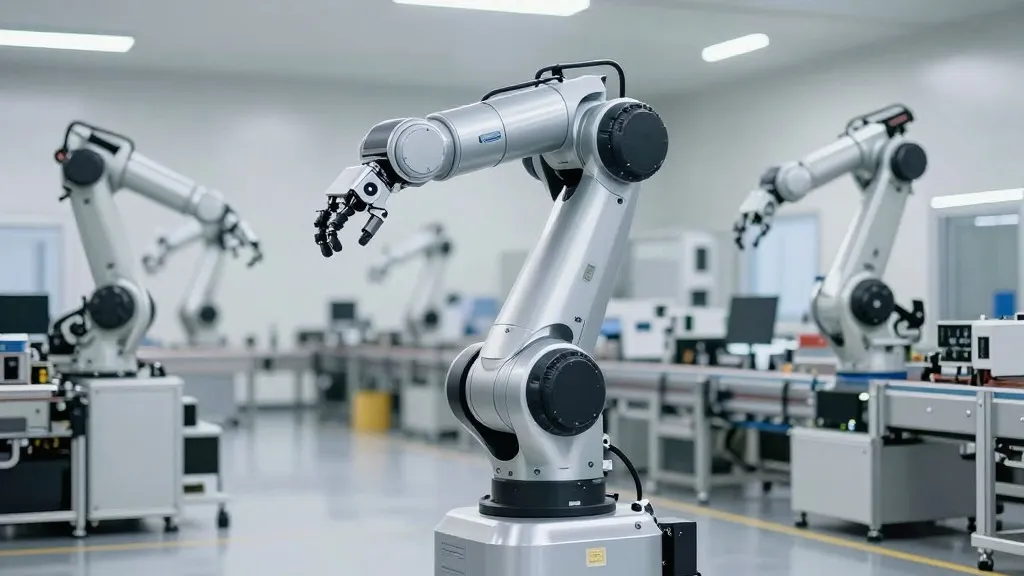
The hand remains the most difficult hardware component to finalize. A Tesla engineer explained that the fingers must be soft enough for delicate tasks but tough enough to withstand constant wear. Unlike human skin, the robot cannot heal from minor damage. Musk confirmed that the hand is the primary issue. He also mentioned problems with the AI architecture and electromechanical design. The goal is to solve these issues by the end of next year. Tesla plans to start with industrial jobs that are dangerous or repetitive.
To improve the AI, Tesla plans to build 10,000 to 20,000 robots. These units will practice tasks in a dedicated training environment called the Optimus Academy. The company also intends to install its AI5 chip in the robots by April 2027. Musk promised a video within the next two months showing the robot performing unscripted tasks. This is intended to prove the system works beyond pre-programmed routines.
Competitors are facing similar challenges but have made progress. XPeng recently activated an automated production line in Guangzhou. The company aims to begin deliveries in the first half of 2027. Hyundai’s Boston Dynamics is already deploying its electric Atlas robot in car factories. All 2026 deployments are committed, including work with Google DeepMind. Boston Dynamics hired a former Tesla Optimus leader in January. It has also prioritized sturdy grippers over human-like dexterity for industrial use.
The timeline for Optimus has shifted multiple times in recent years. Previous targets for internal use and external sales have slipped repeatedly. The current late-2027 date reflects the ongoing difficulty in making the robots reliable enough for real-world work. Tesla’s Q3 shareholder letter describes the current output as the first production-quality bots manufactured. This implies earlier units were not ready for mass market release.
The next step is for Tesla to demonstrate the robot’s capabilities in a public video. Investors and analysts will watch closely to see if the unscripted performance matches the promises. Meanwhile, competitors continue to refine their own models and production lines. The race to deploy useful humanoid robots remains tight, with no single company holding a clear, long-term advantage.
Source: Electrek